INTENSIVE
OUTPATIENT SERVICES
men and women ages 18 and older struggling with substance abuse.
Synergy Counseling – Outpatient Services
Education Classes

Dialectical Behavior Therapy Skills
DBT skills class utilizes a combination of psychoeducation, personal reflection, discussion, open sharing, and feedback to provide clients with opportunities to learn and explore the four key skills of Dialectical Behavior Therapy: Distress Tolerance, Mindfulness, Emotional Regulation, and Interpersonal Effectiveness. These skills can help manage overwhelming emotions by strengthening clients’ ability to handle distress without losing control or acting destructively and to better regulate their emotional responses. Group materials consist of Dialectical Behavior Therapy online resources by Marsha Linehan; The Dialectical Behavior Therapy Skills Workbook by McKay, Wood, & Brantley; and Out of Control: A DBT–CBT Workbook for Getting Control of Our Emotions and Emotion-Driven Behavior by Melanie Gordon Sheets.

Healthy Relationships
This class is designed to help clients learn and apply tools for establishing and nurturing interpersonal relationships that support positive growth — as individuals as well as with partners, family, peers, etc.Materials used include The Relationship Workbook by Kerry Moles, along with academic and pragmatic writings and activities linked to the exploration of healthy interaction and boundaries, respect, honesty, realistic expectations, effective communication, goal-setting, and trust. Additional themes include autonomy, shared power, tenderness, time, long term commitment, and forgiveness. Materials are processed within a recovery theme that focuses on empowerment and placing one’s own wellness as a top priority, as opposed to the codependent patterns often embedded with substance abuse and dependence.

Recovery Maintenance
Focusing on building and developing a life and toolbox that supports not using, this class is designed to help clients focus on recovery and worry less about relapse while maintaining a healthy respect for its risks. Group members will learn tools and strategies each week that will add to a well-rounded recovery plan focused on living well rather than in fear. This includes preparing for the possibility of a slip or relapse but also includes good things like self-care, social and family support, and fun. This class will also provide a variety of positive strategies to be utilized in times of stress and struggle.

Attachment
In attachment class we will take a look at our first ever attachment, our parents. Throughout the class we will focus on identifying emotionally immature parents, parenting styles, and how all of that affects our attachment styles and how we handle situations as adults. We will also look into building emotional maturity ourselves along with a more secure attachment style. Through psychoeducation and a deepdive into the book “Adult Children of Emotionally Immature Parents” I hope to help you gain a better understanding of your struggles with core loneliness and attachment styles.
Connections – Shame Resilience
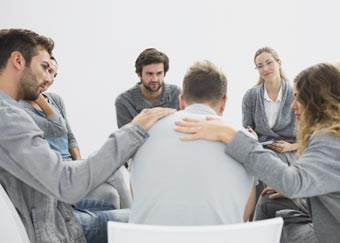
This 12-week group draws on empirically-based strategies to help clients recognize shame as a universal experience and embrace authentic living as a foundation for shame resilience. Topics include defining shame; practicing empathy; exploring triggers and vulnerabilities; practicing critical awareness; reaching out to others; and creating, embracing, and inspiring change. “Connections” engages clients on a cognitive, behavioral, and interpersonal level. Clients learn via group and personal exercises, handouts, and reading assignments.
Coping Skills
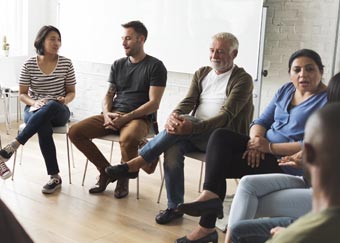
Learning about coping skills and creating our coping skills toolbox is an essential part to recovery. This class will equip participants with a variety of coping skills from various therapeutic modalities to be utilized in times of stress and struggle to help support and bolster their recovery. New skills will be presented each week with opportunities to practice as well as process through how the skill may be best utilized in specific situations and areas of life.

Cognitive Behavior Therapy
Cognitive behavioral therapy is a short-term, goal-oriented psychotherapy treatment that takes a hands-on, practical approach to problem-solving. Its goal is to change patterns of thinking or behavior that are behind people's difficulties, and so change the way they feel. CBT uses a variety of cognitive and behavioral techniques, but it isn’t defined by its use of these strategies. We do lots of problem solving and we borrow from many psychotherapeutic modalities, including dialectical behavior therapy, acceptance and commitment therapy, Gestalt therapy, compassion focused therapy, mindfulness, solution focused therapy, motivational interviewing, and positive psychology.

Addiction & The Brain
The brain is made up of many parts that all work together as a team. Different parts of the brain are responsible for coordinating and performing specific functions. Drugs can alter important brain areas that are necessary for life-sustaining functions and can drive the compulsive drug abuse that marks addiction. Join us for an indepth look at how our addictive behaviors affect the brain and the scientific facts of the effects drugs have on the brain.

Co-occurring Disorders
This class addresses how addiction and mental illness interact. Clients will gain knowledge about co-occurring disorders and begin to understand how mental illness can contribute to addiction or how addiction can contribute to mental illness. Clients will also learn how drugs and alcohol change brain chemistry and what to expect during their time in recovery. Clients can expect to learn about common co-occurring disorders including depression, anxiety, mood disorders, and post-traumatic stress disorder.
Materials used in this curriculum include evidenced-based literature formatted for clients, condensed inventories for self-assessment, expressive arts activities, and interactive discussion focused on exploring self and linking peer experiences.
Reach Out
The path to recovery starts here. Whether you are inquiring for yourself, a friend, or a family member you can reach out to us with this form or give us a call today.
WELCOME TO SYNERGY COUNSELING CENTER
The counselors at Synergy Counseling Center are licensed professionals with a wide-range of experience and specialties.
Address
1717 E Republic Road
Springfield, MO 65804
Privacy Policies
Call Us
Email Us